Roots, Branches, and Bass: A Guide to Reggae’s Sub-Genres
 AI-Generated ImageAI-Generated Image
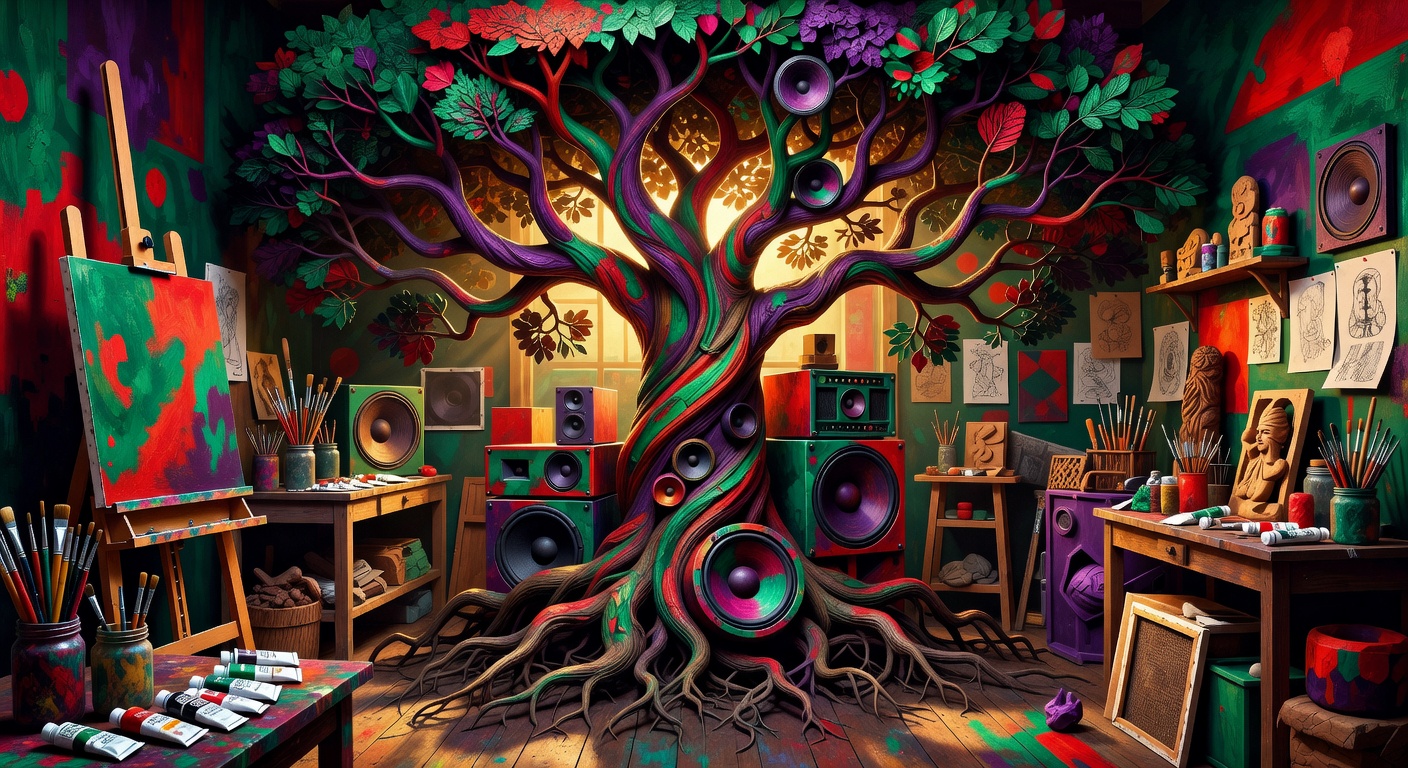
 Reggae is not one sound. It is a family of sounds — a musical tree with deep roots in Jamaican soil and branches that have spread across the world, each carrying the genetic code of the original while adapting to new environments, new influences, and new generations of creators. Understanding the sub-genres of reggae is essential for anyone who wants to engage with the music at more than a surface level, because each sub-genre represents a distinct musical philosophy, a different set of rhythmic and harmonic priorities, and often a different cultural and political orientation.
This guide maps the major branches of the reggae tree — not as a definitive taxonomy (reggae defies rigid categorization as surely as any living art form) but as an orientation for listeners and creators who want to navigate the rich landscape of Jamaican-derived music with understanding and appreciation.
Roots Reggae
Roots reggae is the heartbeat of the genre — the sound most people think of when they hear the word “reggae.” Emerging in the mid-1970s, roots reggae is characterized by its deep, prominent bass lines, its one-drop drum pattern (where the bass drum hits on the third beat rather than the first), its offbeat rhythm guitar or keyboard, and its lyrical focus on Rastafari spirituality, social justice, and African identity. The tempo is typically moderate — unhurried but not slow, conveying a sense of grounded purposefulness.
The great roots reggae artists — and there are many, from the internationally known to the locally legendary — established a musical and philosophical framework that continues to define the genre’s core identity. The sound of roots reggae is inseparable from its message: music as a vehicle for spiritual truth, social commentary, and cultural resistance. The bass carries the weight. The drums provide the heartbeat. The voice delivers the message. Everything else is atmosphere.
Dub
Dub is reggae turned inside out. Where a reggae song presents a complete musical statement — verse, chorus, instrumentation, vocals — dub deconstructs that statement into its component parts and reassembles them in new configurations. Instruments drop in and out. Vocals appear as ghostly fragments. Reverb and delay transform dry signals into cavernous soundscapes. The mixing board becomes an instrument, and the engineer becomes a performer.
The dub aesthetic is defined by space — the musical space created when elements are removed, and the sonic space created when reverb and delay extend sounds beyond their natural boundaries. A great dub mix feels vast, deep, and immersive, as if the listener has entered the music rather than merely hearing it. The bass is foundational, the drums are skeletal, and everything else is vapor and echo.
Dancehall
Dancehall emerged in the late 1970s and early 1980s as a more energetic, more explicitly party-oriented evolution of reggae. Where roots reggae emphasized spiritual and political consciousness, dancehall emphasized rhythm, attitude, and the energy of the dance floor. The tempo increased, the rhythms became more complex and more digital, and the vocal style shifted from singing to the rapid-fire delivery of DJs and toasters.
The digital revolution of the mid-1980s — particularly the Sleng Teng riddim, created on a Casio keyboard — transformed dancehall from an acoustic music to a predominantly digital one. Synthesized bass, drum machines, and digital effects replaced the live instrumentation of roots reggae, creating a leaner, harder, more rhythmically aggressive sound. This digital transition remains controversial among reggae purists but undeniably expanded the genre’s sonic palette and global appeal.
Lovers Rock
Lovers rock is reggae’s tender side — a sub-genre that emerged in the British Caribbean community in the 1970s, focusing on themes of romance, relationships, and emotional intimacy. The sound is smoother and warmer than roots reggae, with prominent harmonies, lush arrangements, and vocal performances that prioritize smoothness and emotional expression over the rougher, more urgent delivery of roots and dancehall.
The British origin of lovers rock is significant — it represents the creative contribution of the Caribbean diaspora, developing a new form within the reggae tradition that reflected the specific experiences and sensibilities of Caribbean communities in the UK. Lovers rock demonstrates that reggae is not only Jamaican but global — a musical language that carries its identity wherever it travels while adapting to new contexts and communities.
Steppers
Steppers is defined by its drum pattern — a four-on-the-floor bass drum pattern that creates a driving, forward-moving rhythm distinct from the one-drop of roots reggae. The effect is more insistent and more propulsive, creating a hypnotic quality that is particularly effective in extended mixes and sound system settings. Steppers bass lines tend to be more melodically active than roots bass lines, contributing to the sense of forward momentum.
Digital Reggae and Beyond
The digital era opened reggae to new influences and new possibilities. Reggae fusions with hip-hop, electronic music, rock, jazz, and pop created hybrid forms that carry reggae’s rhythmic and philosophical DNA into new sonic territories. Reggaeton, while musically distinct from Jamaican reggae, traces its rhythmic lineage through reggae en Español and dancehall. Dubstep emerged from the UK bass music scene with explicit debts to dub and sound system culture. These cross-pollinations continue to expand reggae’s influence far beyond its geographic origins.
At Output.GURU’s Dub Vault, this guide is a starting point — an invitation to explore the depth and diversity of reggae’s musical family. Each sub-genre is a world unto itself, with its own history, its own champions, and its own contribution to the larger story of Jamaican music’s impact on the world. The roots are deep. The branches are still growing.