
The Alien Gallery: AI-Generated Extraterrestrial Art
 AI-Generated ImageAI-Generated Image
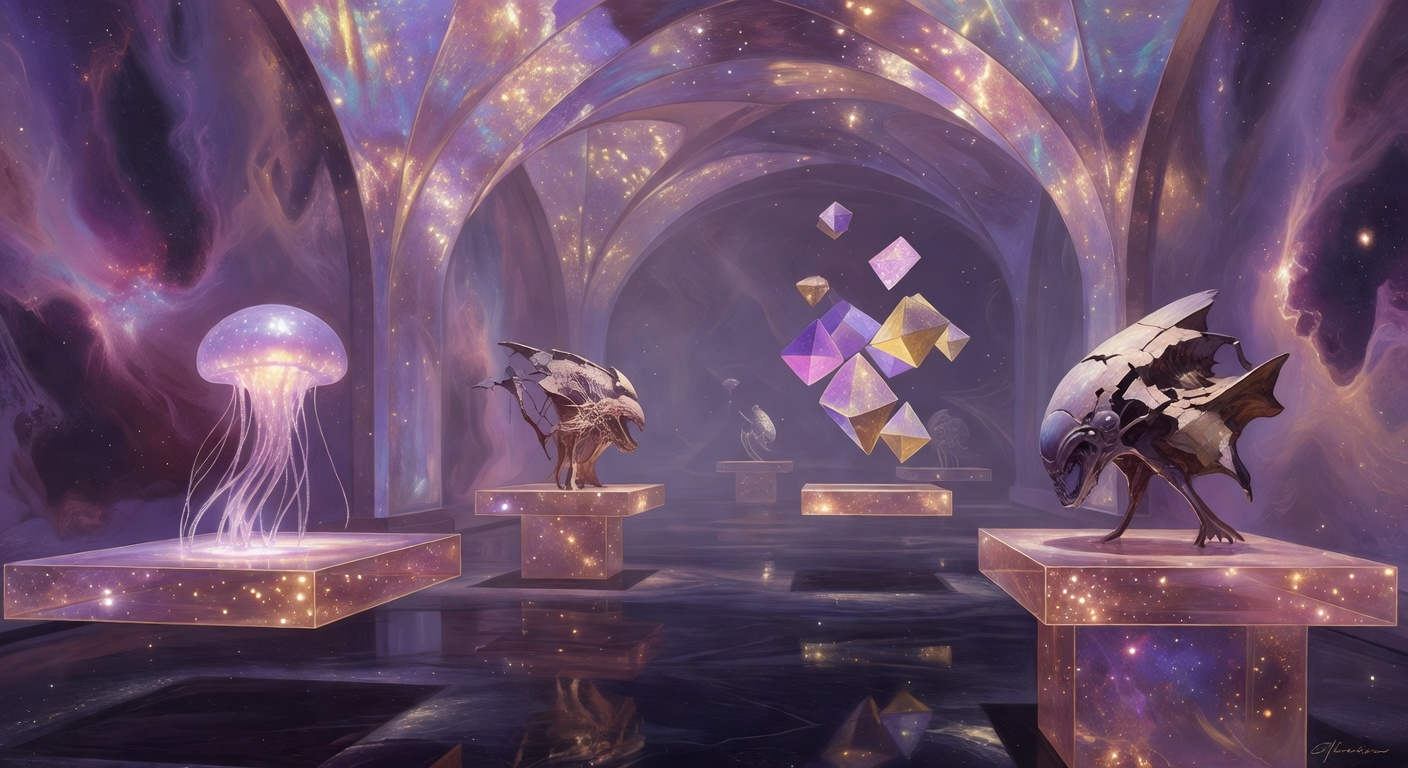
 The Alien Gallery represents one of the most imaginative intersections of artificial intelligence and visual art. By leveraging AI image generation tools to create depictions of extraterrestrial life, alien landscapes, and cosmic phenomena, creators can explore visual concepts that push beyond the boundaries of human experience and imagination. This gallery concept transforms speculative fiction into stunning visual reality.
Imagining the Unknown
What makes alien-themed AI art particularly compelling is that it asks generative models to create something that has no direct real-world reference. Unlike AI-generated landscapes or portraits, which draw on vast datasets of existing imagery, alien art requires the model to extrapolate and combine concepts in novel ways. The results often surprise even the creators, producing visual ideas that no human artist might have conceived independently.
This creative territory is especially well-suited to AI generation because it benefits from the unexpected connections and combinations that neural networks naturally produce. A prompt requesting an alien market scene might combine architectural elements, biological forms, lighting conditions, and atmospheric effects in ways that feel genuinely otherworldly while maintaining enough visual coherence to be compelling as art.
Techniques for Alien Art Generation
Creating compelling alien gallery pieces requires sophisticated prompt engineering. Start with a clear concept but leave room for the AI to surprise you. Combining earthly references with alien modifiers often produces the most interesting results. Instead of simply prompting for an alien creature, describe specific qualities like bioluminescent exoskeleton, crystalline neural structures, or atmospheric membrane wings to guide the generation toward a specific aesthetic vision.
Style mixing is another powerful technique. Combining art styles with science fiction concepts creates unique visual languages. Art nouveau alien architecture, brutalist extraterrestrial temples, or impressionist nebula landscapes each produce distinctly different moods and aesthetics. The juxtaposition of familiar art styles with unfamiliar subjects creates visual tension that draws viewers in.
Building a Cohesive Gallery
A successful alien gallery maintains visual coherence across pieces while exploring diverse subjects. Establish a consistent color palette, lighting style, or atmospheric quality that ties the collection together. You might create an entire ecosystem for an imagined planet, with consistent biological design principles visible across creatures, flora, and environments.
Series work within the gallery creates narrative depth. A sequence showing the same alien civilization across different time periods, or different biomes of the same planet, invites viewers to engage with the work as worldbuilding rather than isolated images. This narrative approach transforms individual pieces into chapters of a larger visual story.
Technical Considerations
High-quality alien art generation benefits from using the latest diffusion models and generation techniques. Upscaling tools help bring gallery-quality resolution to AI-generated pieces. Inpainting and outpainting techniques allow you to refine specific areas or expand compositions beyond the initial generation. Post-processing in traditional image editing software adds the final polish that elevates generated images to gallery-worthy presentations.
Consistency tools like ControlNet, reference images, and style adapters help maintain the visual coherence needed for a professional gallery. When creating series of related images, using seed values, style references, and consistent negative prompts helps ensure each piece belongs visually to the same universe while remaining individually distinctive.
Sharing and Presenting
The presentation of alien gallery art matters as much as the creation. Consider how pieces will be displayed, whether as a web gallery, printed collection, or immersive digital exhibition. Write accompanying lore and descriptions that deepen the viewer experience, transforming each image from a standalone piece into a window into an imagined world. The combination of striking visuals and compelling narrative creates an art experience that resonates with audiences drawn to science fiction, speculative design, and the fundamental human wonder about what might exist beyond our world.