The Line Between Tool and Artist: A Philosophical Look at AI Illustration
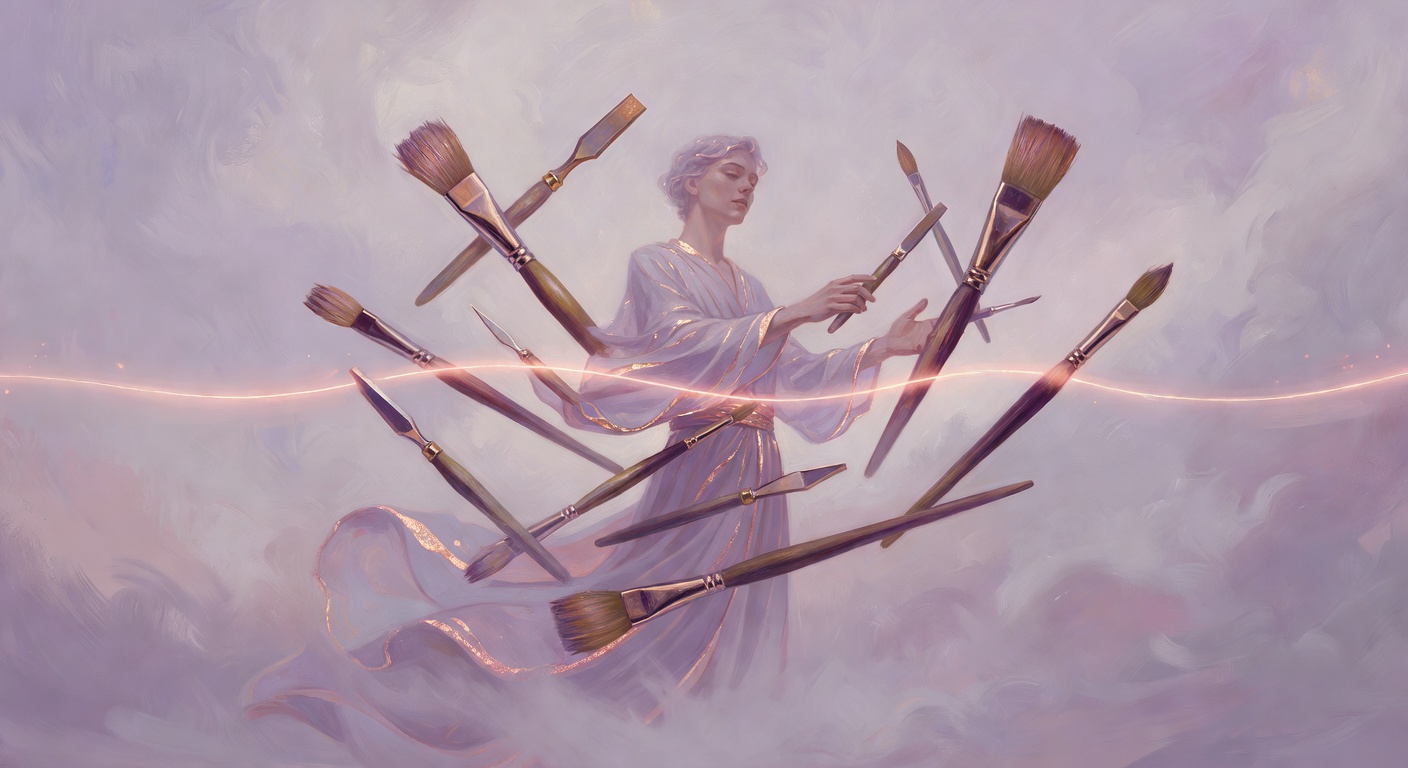 AI-Generated ImageAI-Generated Image
 Every new tool in the history of art has provoked the same question: is this still art? The camera threatened the painter. The synthesizer threatened the musician. Digital painting threatened the illustrator. And now, AI image generation threatens — or promises, depending on your perspective — to transform visual creation in ways that make all previous disruptions look gentle by comparison.
The conversation around AI art and illustration is uniquely charged because it strikes at something fundamental about human identity. We define ourselves, in part, by our creative capacity. When a machine can produce an image that moves someone emotionally, that communicates an idea visually, that demonstrates what appears to be aesthetic judgment — we are forced to confront uncomfortable questions about what creativity actually is and whether it belongs exclusively to biological minds.
What AI Illustration Actually Is
Before diving into philosophy, it helps to understand the mechanics. AI image generation systems like Midjourney, DALL-E, Stable Diffusion, and Flux are trained on large datasets of images paired with text descriptions. Through this training, they develop statistical models of the relationships between visual elements — color, composition, texture, form — and the language used to describe them. When you provide a text prompt, the system does not search a database for matching images. It generates new images by sampling from the probability distributions it has learned, guided by the text input toward particular visual characteristics.
This distinction matters. AI illustration is not collage. It is not retrieval. It is generation — the creation of new pixel arrangements that did not previously exist. Whether this constitutes creativity in any meaningful sense is precisely the question at hand, but misunderstanding the mechanism leads to misunderstanding the implications.
The quality of AI-generated illustration has reached a point where distinguishing AI-created images from human-created images is often impossible for casual observers and increasingly difficult even for experts. Detailed character designs, atmospheric environments, editorial illustrations, pattern designs, and stylistic studies that would take a skilled human illustrator hours or days can be generated in seconds. The technical barrier has been effectively eliminated.
The Human Element That Remains
If AI can generate beautiful images from text prompts, what remains for the human? The answer is more than most critics acknowledge and less than most enthusiasts claim. The human element in AI illustration lives in several places: the vision that initiates the creation, the judgment that evaluates the output, the curation that selects from many possibilities, and the iterative refinement that shapes raw generation into intentional communication.
Vision is perhaps the most important. An AI system does not wake up with the desire to illustrate a concept. It does not observe the world and feel compelled to respond visually. The initial creative impulse — the decision that a particular idea deserves visual expression, the intuition about what form that expression should take — remains entirely human. The prompt is not just a technical instruction; it is the crystallization of a creative vision into language.
Judgment and curation are equally significant. A single prompt might produce dozens of variations, each technically competent but varying in emotional impact, compositional strength, and alignment with the creator’s intent. The ability to evaluate these variations — to recognize which image communicates most effectively, which composition draws the eye correctly, which color palette evokes the intended mood — requires visual literacy that AI does not possess about its own output.
Concept Art and the Professional Landscape
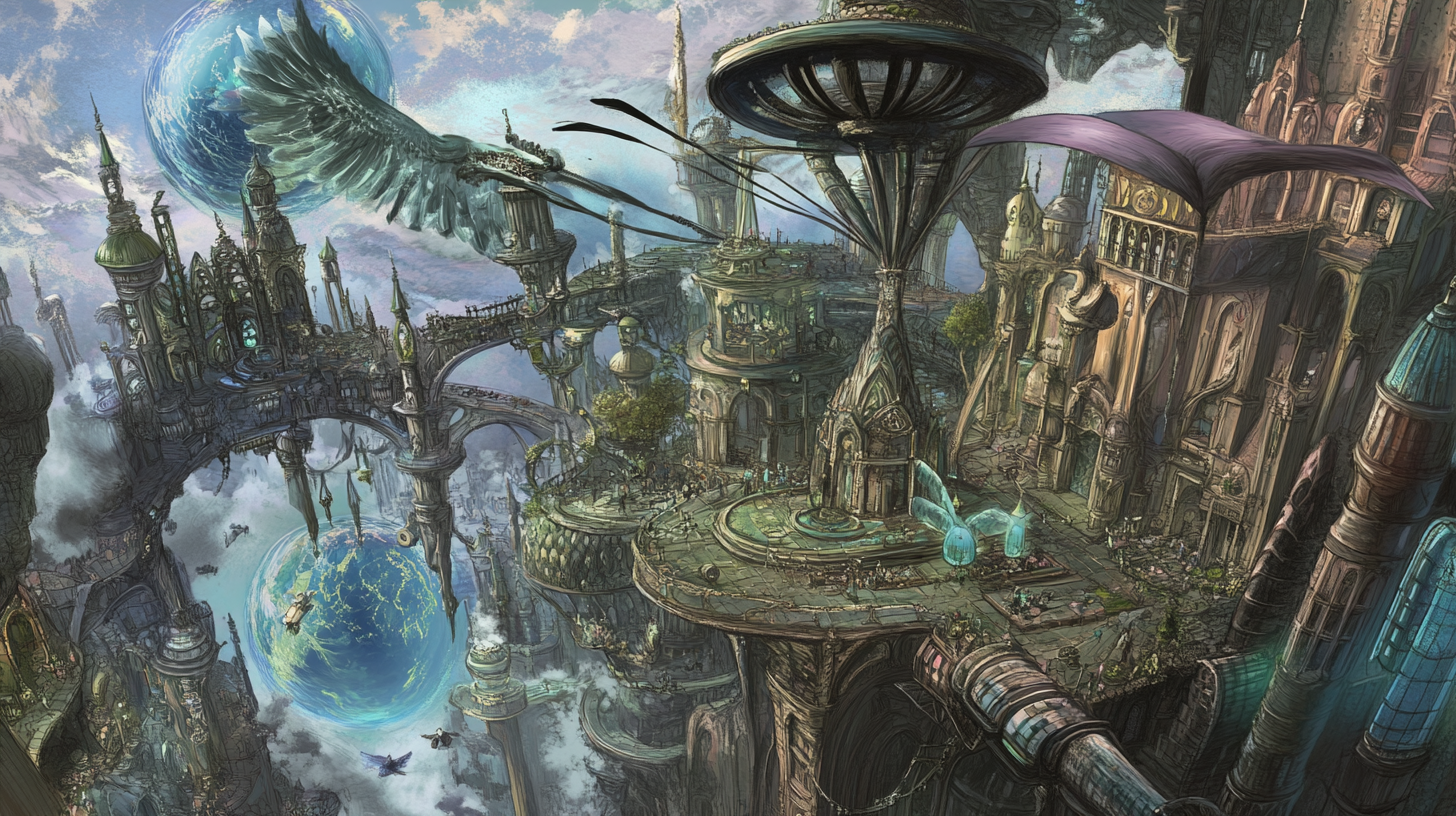
In professional contexts, AI illustration is finding its strongest foothold in concept art and ideation. The early stages of visual development — when a project needs to explore many directions quickly — benefit enormously from AI’s speed. A game studio exploring character designs can generate hundreds of variations in an afternoon, identifying directions that resonate before investing in the detailed work of final asset creation. An editorial team can visualize multiple approaches to an article illustration, making decisions about tone and style before commissioning final artwork.
This is changing the economics of visual creation in ways that benefit some and threaten others. Clients who previously could not afford illustration now have access to high-quality visuals. Projects that would have been limited to a single visual direction can now explore many. But illustrators who built their careers on the production of images — rather than on the creative direction and vision behind them — face genuine displacement. This is a real cost, and acknowledging it honestly is essential to any responsible discussion of AI illustration.
Style, Influence, and the Ethics of Training
The training data question looms large over AI illustration. These models learned their capabilities from human-created images, many of which were created by working artists who did not consent to their work being used for training. This is not a minor concern. The ability of AI systems to generate images “in the style of” specific artists raises questions about intellectual property, creative labor, and fair compensation that the legal and ethical frameworks of our society have not yet resolved.
At Output.GURU, we approach this question with honesty and nuance. We use AI illustration tools as part of a creative practice that values human vision, acknowledges the contributions of the artists whose work informed these models, and engages transparently with the ethical complexities involved. We do not claim that AI-generated images are equivalent to human artwork in the way they are produced. We do claim that the creative process of working with AI — the vision, the judgment, the curation, the iteration — constitutes a legitimate form of artistic expression.
Digital Paintings, Patterns, and Beyond
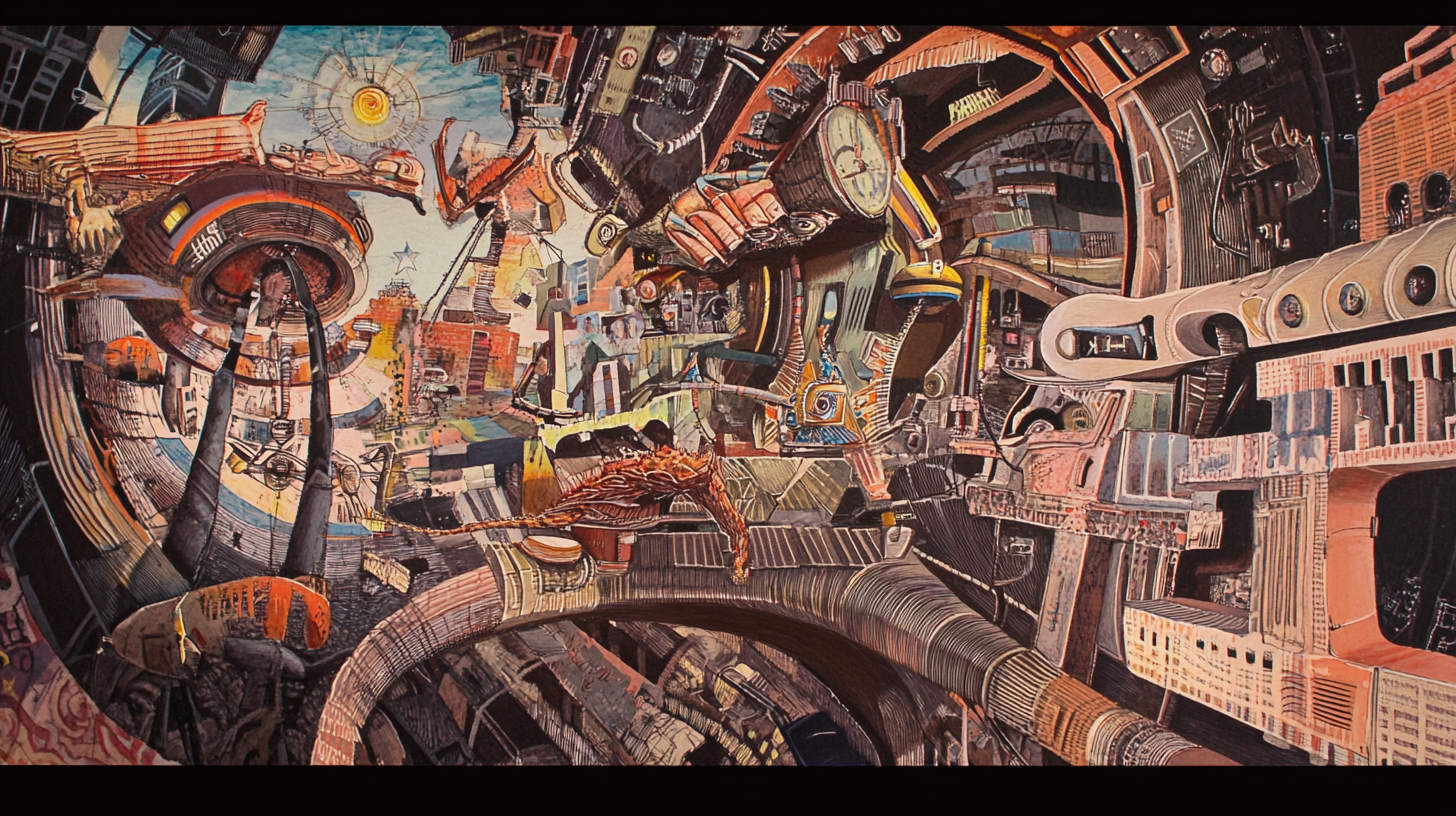
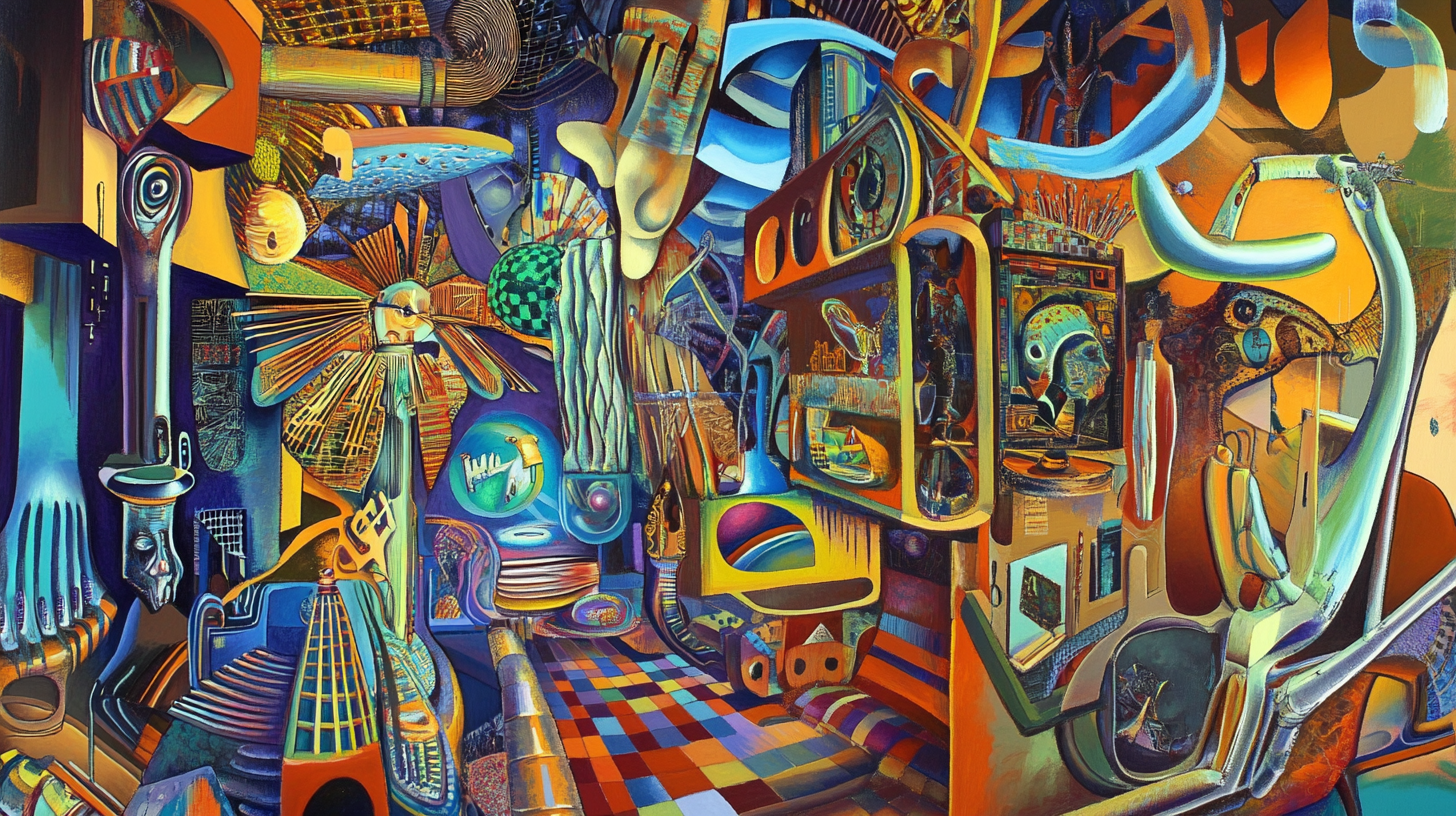
The range of illustration styles accessible through AI is extraordinary. Photorealistic digital paintings, watercolor effects, ink illustrations, vector-style graphics, textile patterns, architectural renderings, and abstract compositions are all achievable with varying degrees of control and refinement. The tools are becoming increasingly precise, allowing creators to specify not just what they want to see but how they want it rendered — the brushstroke quality, the color temperature, the level of detail, the emotional register.
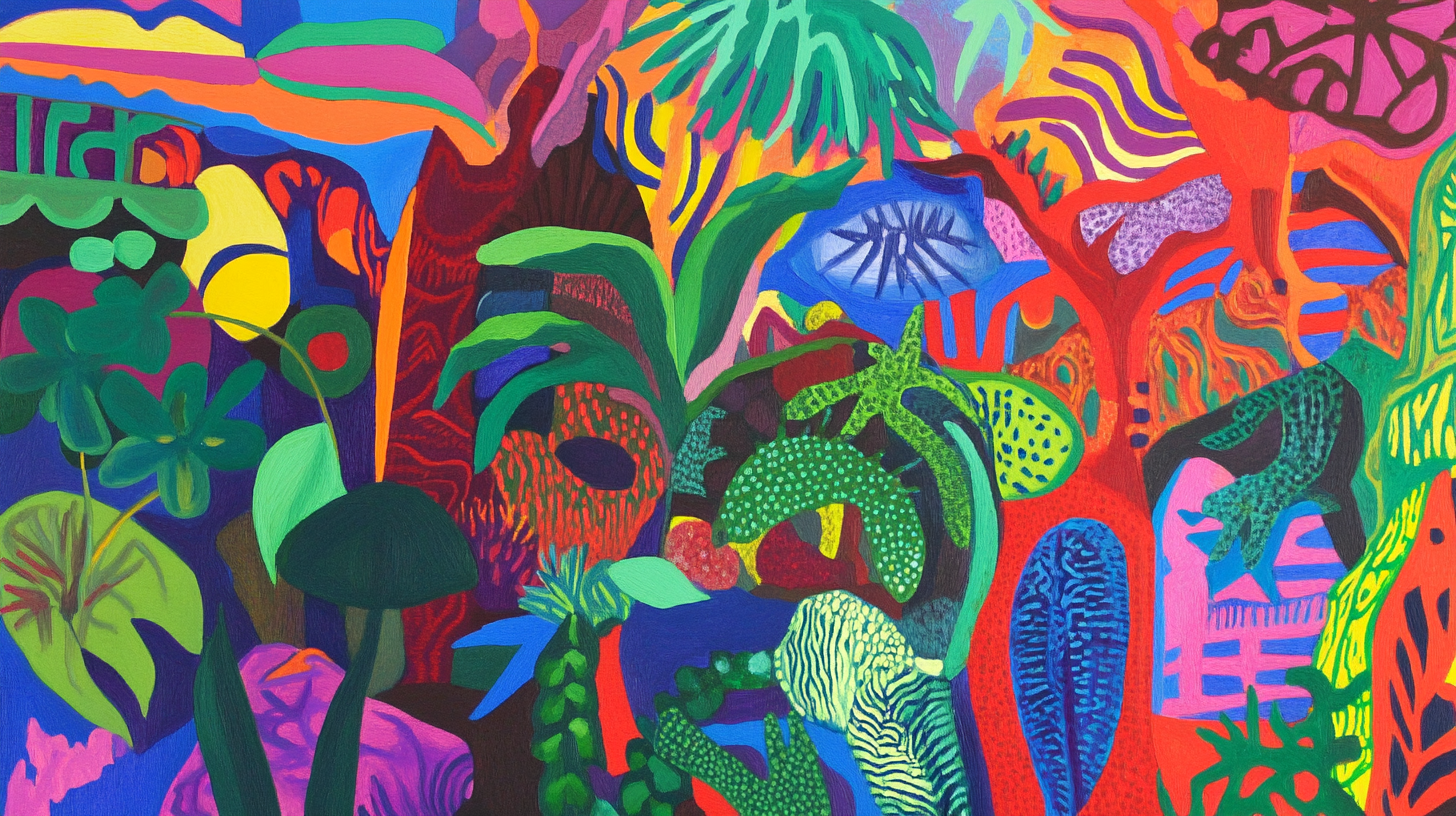
Pattern design has emerged as a particularly strong application, with AI systems generating seamless repeating patterns for textiles, wallpaper, packaging, and digital backgrounds. The ability to describe a pattern concept in words and receive dozens of variations enables a design exploration process that would be prohibitively time-consuming by hand.
This category at Output.GURU will be our gallery, our studio, and our laboratory. We will share AI-generated illustrations alongside the prompts and creative decisions that produced them. We will explore styles, push boundaries, and engage honestly with both the possibilities and the limitations of AI as a visual creation tool. The line between tool and artist may be blurring, but the human eye that looks at the result and says “yes, this is what I meant” — that remains as clear as ever.