Exploring Genre in the Dub Vault: A Musical Map
 AI-Generated ImageAI-Generated Image
 Genre is the musical compass that guides listeners through the vast landscape of sound, and within the Dub Vault, genre takes on special significance. Dub itself has spawned and influenced an incredible range of sub-genres and hybrid styles, each carrying the DNA of those pioneering Jamaican studio experiments into new sonic territories. Understanding these genre connections enriches both the listening experience and the creative process for producers working with AI tools.
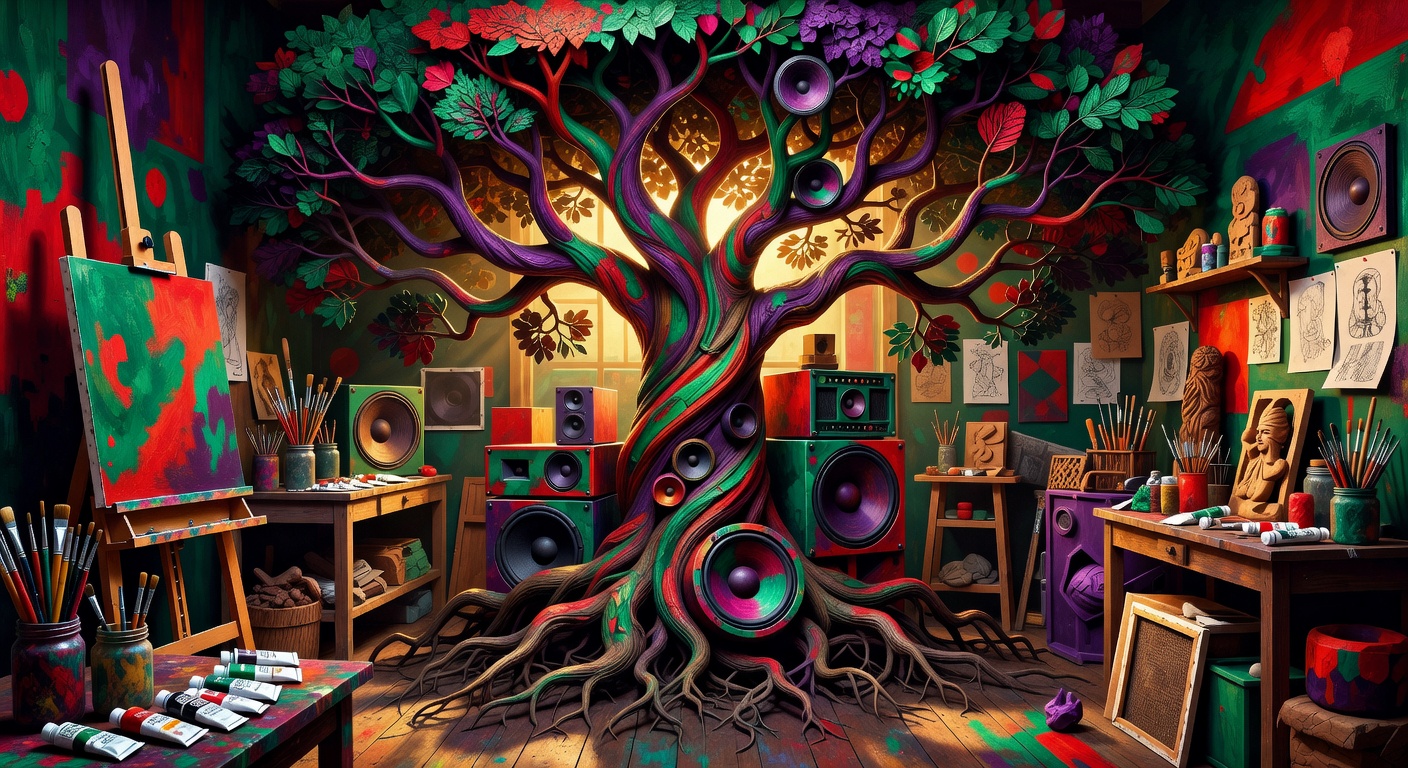
The Dub Family Tree
From its roots in Jamaican reggae, dub has branched into an extraordinary variety of related styles. Roots dub maintains the closest connection to the original Jamaican sound, with heavy bass, sparse arrangements, and classic studio effects. Digital dub embraces synthesizers and drum machines while maintaining the spacious, effect-heavy mixing philosophy. Dub techno, pioneered by artists like Basic Channel in Berlin, married dub aesthetics with techno four-on-the-floor rhythms, creating a hypnotic hybrid that has become a genre in its own right.
Dubstep emerged from the UK garage and jungle scenes, taking the heavy bass and spatial effects of dub into darker, more aggressive territory. Post-dubstep then deconstructed those conventions, producing experimental music that retained dub spatial qualities while abandoning rigid genre templates. Each branch of the family tree offers unique creative possibilities when combined with AI production tools.
Genre-Specific Production Approaches
Different dub-influenced genres call for different production approaches and AI tool configurations. Roots dub production benefits from AI tools that emulate vintage analog equipment, including spring reverb simulations, tape delay models, and analog mixing desk warmth. The goal is authenticity to the original sound while using modern tools to achieve consistent, professional results.
Electronic dub sub-genres open up more experimental possibilities with AI. Generative tools can create the repetitive, evolving patterns that characterize dub techno. AI-powered synthesis can produce the dark, weighted bass sounds essential to dubstep and its offshoots. Ambient dub benefits from AI tools that create slowly evolving textures and atmospheres that develop over extended time periods.
Cross-Genre Exploration
Some of the most exciting music in the Dub Vault emerges from deliberate genre crossing. What happens when dub production techniques are applied to jazz recordings? When AI separates the stems from a classical piece and rebuilds it with dub effects? When hip-hop vocals are placed over a steppers riddim with AI-generated atmospheric elements? These experiments push creative boundaries and often produce results that feel genuinely new.
AI tools facilitate cross-genre work by making it easy to extract, transform, and combine elements from different musical traditions. Style transfer models can apply the sonic characteristics of one genre to the musical content of another. This capability is particularly powerful in the dub context, where the genre has always been about transformation and reimagination of existing material.
Organizing by Genre
The Dub Vault uses genre classification to help listeners navigate the collection and find music that matches their current mood or interest. Tags and categories reflect both the primary genre influence and any secondary styles present in each piece. A track might be tagged as dub techno with ambient influences, or roots dub with jazz elements, giving listeners enough information to make informed choices about what to explore next.
For producers, genre awareness helps with both creation and marketing. Understanding where your music fits in the genre landscape helps you reach the right audience and connect with listeners who are most likely to appreciate your work. AI analytics tools can even analyze your productions and suggest genre classifications based on their sonic characteristics, tempo, and structural patterns.
The Future of Genre
As AI tools make it easier to blend influences and create hybrid styles, the boundaries between genres continue to blur. This is not the death of genre but its evolution. New micro-genres emerge as producers combine influences in novel ways, and the dub tradition of creative transformation ensures that this musical family tree will continue to grow new branches for generations to come.